
If you’ve been looking into upgrading your hot water tank, you’ve probably come across hybrid (heat pump) hot water heaters and wondered if they’re actually worth it.
Short answer — in most Nova Scotia homes, yes, they are.
But like anything, it depends on your setup and what you’re trying to get out of it.
What Is a Hybrid Hot Water Heater?
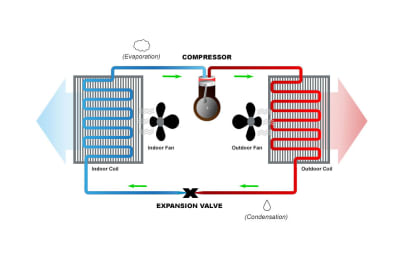
A hybrid hot water heater uses heat pump technology along with traditional electric elements.
Instead of generating heat directly like a standard electric tank, it pulls heat from the surrounding air and uses it to heat the water. That’s where the efficiency comes from.
How Much Power Do They Actually Use?
This is usually the main reason people consider switching.
Compared to a standard electric hot water tank, hybrid systems can use 50–70% less electricity.
To give a real example — I have a 65-gallon Rheem hybrid unit in my own home (family of 4), and over the past year it used just under 1000 kWh total.
At current Nova Scotia power rates, that works out to roughly $15/month to run.
That’s significantly lower than a typical electric tank.
Upfront Cost vs Long-Term Savings
Hybrid tanks do cost more upfront than standard electric tanks.
Typical installed pricing is higher, but:
- There is currently an $800 rebate through Efficiency Nova Scotia
- Monthly power savings help offset the difference
- They tend to last longer when installed properly
For homeowners planning to stay in their home long-term, the numbers usually make sense.
When a Hybrid Tank Makes the Most Sense
These systems work best when:
- You have a basement or utility room with enough space
- You want to reduce your power bill
- You’re planning to stay in your home for a while
- Your current tank is due for replacement anyway
They’re especially popular in homes currently using electric hot water tanks.
When It Might Not Be the Best Fit
Hybrid tanks aren’t perfect for every situation.
They may not be ideal if:
- Space is very tight
- There’s limited airflow around the unit
- Electrical upgrades aren’t possible
That said, many of these issues can be worked around with proper planning (like ducting options).
Installation Considerations
Most homes will need:
- A 30-amp electrical circuit
- A suitable location (typically basement or utility room)
- Enough air space for the heat pump to operate efficiently
If a new electric line with dedicated breaker is needed, that can usually be handled as part of the install, coordinating with a local electrician.
My Take (From Installing These Locally)
From what I’ve seen installing these in Nova Scotia, hybrid hot water heaters are one of the better upgrades you can make if your goal is to lower energy usage.
They’re not the cheapest option upfront, but they’re reliable, efficient, and make a noticeable difference in operating costs.
Final Thoughts
If your current hot water tank is getting older, it’s definitely worth considering a hybrid system as a replacement.
For most homeowners, especially with rebates available, they offer a good balance between upfront cost and long-term savings.